Our Products
 Loans
Loans
 Cards
Cards
 Insurance
 Investment
 Stock Market
 Electronics Mall
 CIBIL Score
 Knowledge Centre
 Calculators
Our Services

 Do not call
 En
En
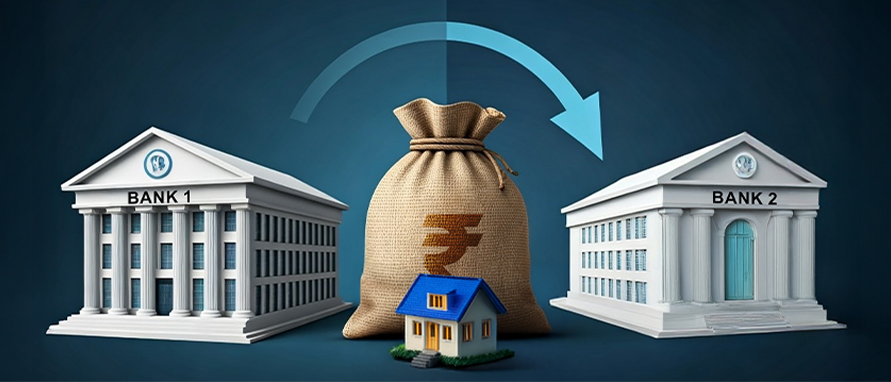
A Home Loan Balance Transfer (HLBT) involves moving your outstanding home loan from your current lender to another offering better terms, such as lower interest rates. This financial strategy can significantly affect your financial goals by altering your monthly outgoings, loan tenure, and overall cost of borrowing.
You might also be able to capitalise on favourable market changes, like changes in market borrowing rates. Understanding the impact of a home loan balance transfer on your financial goals is crucial before making this decision. It can either accelerate your path to financial freedom, but only if you smartly plan for it.
A home loan balance transfer can be a powerful tool in your financial planning toolkit. Here’s how it can impact your financial goals:
Reduction in Interest Outgo: Transferring your loan to a lender offering lower interest rates can reduce the total interest payable over the loan tenure. Hence, you can save a significant amount, which can be redirected towards other financial goals like investments or savings.
Lower Monthly EMIs: With a reduced interest rate or extended tenure, your monthly EMI burden decreases. This frees up cash flow, allowing you to allocate funds to other priorities such as children’s education, retirement planning, or emergency funds.
Shorter Loan Tenure Option: Some lenders allow you to shorten your loan tenure during balance transfer. Paying off your loan faster reduces interest costs further and helps you achieve a debt-free status sooner, boosting your long-term financial independence goals.
Access to Better Loan Features: New lenders may offer flexible repayment options, part-prepayment facilities, or top-up loans. These features provide financial flexibility, enabling you to adjust your repayments to changing circumstances without derailing your financial goals.
Improved Credit Score Potential: Successfully managing a balance transfer and timely repayments can enhance your credit score. This can prove highly beneficial for future borrowing or to apply for other financial products.
Debt Consolidation: If you have multiple loans, some lenders allow debt consolidation with a balance transfer. This can simplify your finances and potentially reduce overall interest costs.
Opting for a home loan balance transfer comes with several advantages that can positively influence your financial journey:
Lower Interest Rates: The primary benefit is obtaining a lower interest rate than your existing loan. This could directly reduce your EMI and the total interest you would have to pay.
Reduced EMI Burden: Lower EMIs mean less strain on your monthly budget, offering greater financial comfort and the ability to save or invest more.
Flexibility in Tenure: You can negotiate to either extend or shorten your loan tenure, as per your financial goals. This can help in lowering your EMIs or finishing your repayment earlier.
Part-Prepayment Facility: Many lenders offer part-prepayment options post-transfer. This can allow you to reduce principal faster and save on interest.
Top-Up Loan Availability: Some lenders provide the option to avail a top-up loan along with the balance transfer. This can be used for home improvement or other financial needs.
Better Customer Service and Features: Switching lenders might give you access to improved customer service, digital tools, and loan management features.
While there are benefits, it is important to consider the potential downsides before transferring your home loan:
Transfer Charges and Fees: A home loan balance transfer involves processing fees, legal charges, and administrative costs. Check if these expenses could offset your potential savings or not.
Time-Consuming Process: The transfer process can take 2-3 weeks or longer, involving documentation, approvals, and legal formalities, which may cause temporary inconvenience.
Impact on Credit Score: Consecutive loan enquiries and closure of the existing loan account can temporarily affect your credit score.
Not Beneficial Near Loan End: If you are close to completing your loan tenure, the benefits of transferring may be minimal due to lower outstanding principal and interest.
Hidden Charges: Some lenders may levy prepayment penalties or other hidden charges that reduce the overall benefit of a home loan balance transfer.
Complex Financial Planning: Frequent changes in loan terms might cause deviations from your existing financial plan. Make sure to first align the decision with your long-term goals.
Before deciding to transfer your home loan balance, consider these key points to ensure it aligns with your financial goals:
Evaluate Current Loan Terms: Understand your existing interest rate, outstanding principal, and remaining tenure to assess potential savings accurately.
Compare Other Features: Don’t just focus on lower rates. Consider loan tenure flexibility, part-prepayment options, processing fees, and customer service quality.
Calculate Net Savings: Factor in all transfer-related charges related to the transfer to make sure that it leads to genuine savings. These may include processing fees, legal costs, stamp duty.
Assess Loan Tenure Impact: Decide whether you want to reduce EMIs by extending tenure or pay off the loan faster by shortening it. Choose as per your financial goals.
Check Eligibility and Documentation: Ensure you meet the new lender’s eligibility criteria and have all required documents ready to avoid any delay.
Consider Timing: Avoid transferring your loan too close to the end of your loan. The potential benefits might be lower, and the costs could outweigh the savings instead.
Impact on Financial Goals: Reflect on how the transfer fits your broader financial plan. Check your current and future investments, retirement plans, and risk appetite.
A home loan balance transfer can be a strategic move to improve your financial health. It can help in reducing interest costs, lowering EMIs, and providing flexible repayment options. When aligned with your financial goals, it can also accelerate your debt repayment and free up resources for other priorities.
However, remember to carefully evaluate all the costs, benefits, and timing before proceeding. Thoughtful planning can help you ensure that the transfer supports your financial journey, rather than disrupt it. This will help you achieve your long-term goals more efficiently.
Yes, by lowering your interest rate and EMIs, a balance transfer can reduce your loan tenure or free up funds for investments. This, in turn, may help you reach financial goals sooner.
If managed well, a balance transfer should complement your investment plans by improving your cash flow. However, frequent transfers or increased loan tenure without planning may disrupt your goals. Check all the financial factors involved before taking a decision.
Yes. Lower EMIs may lead to extra disposable income. You can channel these funds into savings, investments, or emergency funds, enhancing overall financial stability.
It might disrupt your existing financial plan if done without proper evaluation. Align the transfer decision with your financial goals and consider all costs to avoid disruptions.
Changes in loan tenure or cash flow may influence your risk tolerance and investment choices. Hence, review your asset allocation post-transfer.




 47202
47202

Navigate the tax maze with ease! Uncover Income Tax 101, demystify jargon with Terms for Beginners, and choose between Old or New Regimes.
 165541
Unlock the world of credit! From picking the perfect card to savvy loan management, navigate wisely.
 97881
97881
Money Management and Financial Planning covers personal finance basics, setting goals, budgeting...
 28606
28606
Explore the investment cosmos! From beginner's guides to sharp-witted strategies, explore India's treasure trove of options.
 18764
18764
Discover essential insights on various types of insurance in India.
 4584
4584
Welcome to Tech in Finance, where we explore the exciting intersection of technology and finance...












 Academy