Our Products
 Loans
Loans
 Cards
Cards
 Insurance
 Investment
 Stock Market
 Electronics Mall
 CIBIL Score
 Knowledge Centre
 Calculators
Our Services

 Do not call
 En
En
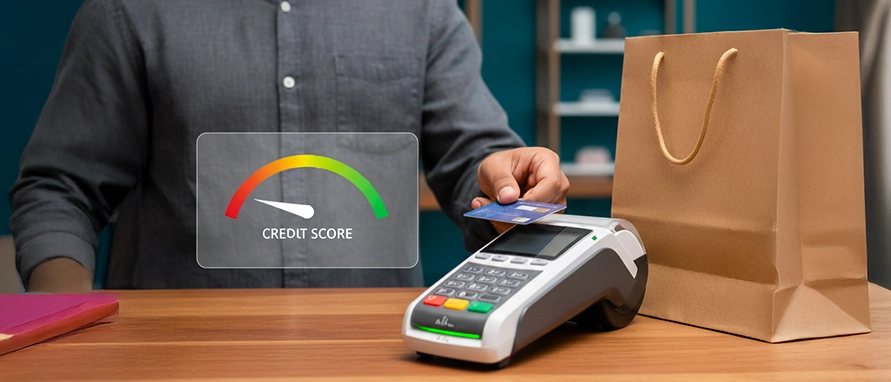
Table of Contents
Swiping your credit card often doesn’t automatically lower your credit score. But how you manage your spending, payments, and credit limits matters a lot. Credit scores are shaped by several factors, some more important than others. Understanding these can help you use your card wisely and avoid any negative impact on your score.
Credit card usage can significantly impact your credit score based on a few key factors, such as:
It refers to the ratio of your credit card balances to your available credit. High credit utilisation (using a large percentage of your credit limit) can lower your score, as it suggests you might be relying too much on credit. It's important to keep your credit utilisation below 30% of your limit to maintain a healthy score.
Payment history is the most significant factor affecting your score. Making timely payments on your credit card boosts your score, while missed or late payments can cause it to drop. A consistent, on-time payment history shows lenders that you are a responsible borrower.
When you apply for new credit, a hard inquiry is made, which may temporarily lower your score. Too many hard inquiries within a short time can suggest financial instability, negatively impacting your credit score.
Credit utilisation refers to the percentage of your total available credit that you’re currently using. For example, if your credit limit is ₹100,000 and your outstanding balance is ₹30,000, your utilisation rate is 30%.
A high utilisation rate—typically above 30%—signals over-reliance on credit, which can negatively affect your score. Keeping your utilisation low shows that you manage credit responsibly.
If you frequently make large purchases and don’t pay off your balance in full, your utilisation increases, which can gradually lower your credit score.
Using your credit card regularly helps maintain an active credit history, but both excessive and minimal use can work against you.
Make small purchases at least once a month to keep the account active. Always pay off the full balance to avoid interest and debt accumulation. However, frequent use for large purchases can raise your utilisation ratio, which may reduce your score. Balance your spending and keep it well within your credit limit.
On the other hand, not using your card at all can lower your account activity or shorten your average credit age, slightly impacting your score. The best practice is to make small, consistent transactions and clear your dues in full every month.
While credit cards are great tools for building credit, poor management can have the opposite effect. Here’s how:
Missing payments—or even paying after the due date—is one of the biggest credit score pitfalls. Late or missed payments can stay on your credit report for up to seven years and may cause a significant drop in your score.
Carrying high balances, especially when close to your credit limit, increases your credit utilisation ratio. This not only lowers your credit score but also makes it more difficult to qualify for fresh credit or better loan terms in the future.
Each time you apply for a credit card, a hard inquiry is made. Too many applications within a short time can negatively impact your score, as it may signal to lenders that you’re in financial distress.
Closing old credit card accounts can reduce your available credit and increase your credit utilisation ratio, which can hurt your score. Keep old accounts open, even if you don’t use them frequently.
If you don’t use your card at all, it can hurt your credit score by reducing the length of your credit history. Using your card sparingly and making occasional purchases can help keep your account active.
To improve your credit score, it’s essential to use your credit card responsibly. Here are some key strategies:
Paying off your credit card balance every month avoids interest charges and helps keep your credit utilisation low. This demonstrates responsible borrowing.
Try to use no more than 30% of your available credit. Keeping your utilisation low shows that you can manage credit wisely.
Set up automated payments or reminders to ensure that you pay your bill on time. A history of timely payments will positively affect your credit score.
Too many credit card applications can lead to multiple hard inquiries, which can temporarily lower your credit score. Only apply for new cards when necessary.
The length of your credit history affects your credit score. Keeping older accounts open, even if unused, can help improve your credit score by lengthening your credit history.
Paying your credit card bill frequently, or making multiple payments per month, can help improve your credit score in several ways:
By making frequent payments, you reduce your outstanding balance, which helps keep your credit utilisation ratio low. This, in turn, improves your credit score.
Frequent payments show consistency and responsibility, which helps build a positive payment history. Lenders look for this when evaluating your creditworthiness.
By paying off your balance in full or frequently throughout the month, you can avoid interest charges, keeping your debt under control.
If your credit score has dipped due to high utilisation, frequent payments can help bring it back up more quickly. By reducing your balance, you improve your credit utilisation and demonstrate better credit management.
To avoid negatively impacting your credit score with your credit card usage, follow these strategies:
Setting up automatic payments ensures that you never miss a payment. Late payments can severely damage your credit score. Automating your payments can help you avoid penalties and keep your score intact.
Try to keep your credit utilisation ratio below 30% of your available credit limit. If you find that your credit limit is too low to keep utilisation low, consider requesting an increase in your limit. A higher limit can help reduce your utilisation ratio, provided your spending doesn’t increase.
Monitoring your credit reports allows you to spot errors or inaccuracies. You are entitled to a free credit report from each of the major bureaus in India annually. Regularly reviewing your report ensures you can dispute errors and prevent them from harming your credit score.
Paying more than the minimum payment due can help reduce your credit card balance more quickly and lower your credit utilisation. This demonstrates that you’re actively managing your debt and avoiding long-term reliance on credit.
Each time you apply for a credit card, a hard inquiry is made on your credit report. Applying for too many cards in a short time can signal to lenders that you're struggling financially, which can negatively affect your score.
There are many myths surrounding credit card usage and its impact on your credit score. Let’s clear up some of the most common misconceptions:
Using your credit card frequently does not automatically harm your credit score. The important factor is how much of your credit limit you use (credit utilisation) and whether you pay your balance on time. Responsible usage, like maintaining a low balance, won’t harm your score.
Paying only the minimum payment ensures you avoid late fees but doesn’t help improve your credit score. To build and maintain a good score, it’s best to pay off your balance in full each month. Carrying a balance increases your credit utilisation, which can hurt your score.
Closing old credit cards can actually hurt your score. By closing accounts, you reduce your available credit, which can increase your credit utilisation ratio. Keep old accounts open to maintain a lower utilisation ratio and lengthen your credit history.
Every time you apply for a credit card, it triggers a hard inquiry on your credit report, which temporarily lowers your score. Multiple applications for credit cards in a short period can indicate financial distress and cause a further dip in your score.
Carrying a balance is not necessary to build your credit score. In fact, paying off your balance in full each month is the best way to demonstrate that you can manage credit responsibly. Your credit score improves based on timely payments and low utilisation, not by carrying debt.
High credit utilisation can negatively affect your credit score by increasing the ratio of debt to available credit. If your credit utilisation is high, it may signal to lenders that you are relying too much on credit, which could indicate financial strain. To maintain a healthy score, aim to keep your credit utilisation below 30% of your available credit.
It’s recommended to keep your credit utilisation below 30% of your total available credit. For example, if your credit limit is ₹50,000, try not to carry a balance of more than ₹15,000. This helps keep your credit score intact and shows responsible credit management.
Swiping your credit card frequently does not automatically lower your score. However, if you accumulate large balances and do not pay them off promptly, it could increase your credit utilisation and hurt your score. The key to maintaining a good score is to monitor your balance and make timely payments.
Common ways credit card usage can negatively affect your credit score include missing payments, carrying high balances (increasing credit utilisation), applying for too many credit cards, and closing old accounts. Each of these factors can contribute to a drop in your score.
To improve your credit score, make timely payments, keep your credit utilisation low, pay off your balances in full whenever possible, and avoid applying for too many new credit cards. These habits demonstrate financial responsibility and can lead to a higher credit score over time.
Avoid damaging your credit score by paying your bills on time, keeping your credit utilisation below 30%, not applying for excessive credit, and ensuring your credit card accounts remain open and active. Regularly monitoring your credit report can also help you stay on track.
No, using a credit card frequently does not always hurt your credit score. The impact depends on how you manage your usage. Responsible usage—such as maintaining a low balance, paying on time, and not applying for too much credit—can ensure that frequent card usage has no negative effect on your score.


Most Viewed

Academy by Bajaj Markets
 47202
47202

Navigate the tax maze with ease! Uncover Income Tax 101, demystify jargon with Terms for Beginners, and choose between Old or New Regimes.
 165541
Unlock the world of credit! From picking the perfect card to savvy loan management, navigate wisely.
 97881
97881
Money Management and Financial Planning covers personal finance basics, setting goals, budgeting...
 28606
28606
Explore the investment cosmos! From beginner's guides to sharp-witted strategies, explore India's treasure trove of options.
 18764
18764
Discover essential insights on various types of insurance in India.
 4584
4584
Welcome to Tech in Finance, where we explore the exciting intersection of technology and finance...












 Academy