Our Products
 Loans
Loans
 Cards
Cards
 Insurance
 Investment
 Stock Market
 Electronics Mall
 CIBIL Score
 Knowledge Centre
 Calculators
Our Services

 Do not call
 En
En
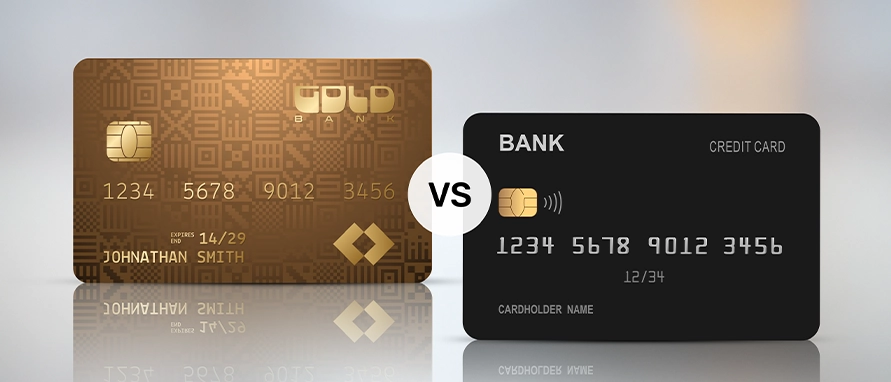
Credit cards have become an essential part of urban financial life in India. With a growing range of options, choosing between premium credit cards and basic credit cards can be confusing. This article helps you understand the real value of high annual fee cards and whether they are worth it for your needs.
A regular credit card, also called a basic or standard card, is designed for everyday spending with simple rewards and low or no annual fees. Its main advantage is easy eligibility and predictable benefits, making it accessible to first-time cardholders. The trade-off is fewer premium perks and lower reward rates compared to higher-tier cards.
Regular credit cards are built around a few consistent features. Fees and Charges are typically low or zero, often waived on minimal annual spending. Basic Rewards usually come as a flat cashback percentage or simple reward points on all spends, without category-specific bonuses. Lower Credit Limits are common, since these cards are approved for a wider range of income levels and credit profiles. Affordability remains the core appeal, as regular cards keep ongoing costs minimal while still offering standard purchase protection and EMI conversion options.
A premium credit card is a high-tier card built around exclusive lifestyle and travel privileges, such as airport lounge access, concierge services, and elevated reward rates. Its main advantage is the depth of benefits available to frequent travellers and high spenders.
The trade-off is a higher annual fee and stricter eligibility criteria, including a higher minimum income requirement, which can make the card's value proposition dependent on how much of it you actually use.
Premium credit cards are built around a few defining features.
Travel Benefits typically include complimentary airport lounge access, both domestic and international, along with milestone travel vouchers. Concierge Services provide dedicated assistance for bookings, reservations, and travel planning, available at any time. Insurance Coverage often includes travel and purchase protection, sometimes extending to accidental cover during travel booked using the card. Higher Credit Limits are generally offered, reflecting the higher income eligibility criteria and spending capacity typically associated with these cards.
Premium credit cards are designed for individuals seeking exclusive privileges, such as luxury travel, higher reward rates, and lifestyle perks. These cards typically come with higher annual fees, strict eligibility criteria, and are often targeted at high-income earners.
On the other hand, basic credit cards (also called standard or regular credit cards) focus on providing essential features like simple rewards, lower or zero annual fees, and wider accessibility. They are best suited for those new to credit cards or people who want straightforward benefits without extra costs.
Let’s compare the main features of premium credit cards and basic credit cards. Premium cards offer enhanced welcome benefits, higher annual charges, and stricter eligibility. Basic or regular credit cards are more accessible with lower fees and simple offers.
| Parameter | Premium Credit Cards | Basic Credit Cards |
|---|---|---|
Annual Charges |
₹2,500 to ₹15,000+ (can be waived on high spends) |
₹0 to ₹1,000 (often waived on moderate spends) |
Eligibility |
Higher income (~₹5-10 Lakhs+), high credit score, sometimes invite-only |
Entry-level income (~₹2-5 Lakhs+), moderate credit score, easily available |
Key Offers |
Lounge access, concierge, golf, hotel stays, milestone rewards, global acceptance |
Cashback on spends, fuel surcharge waiver, basic rewards, EMI options |
Premium cards from banks like SBI may offer unlimited lounge access, golf games, and milestone vouchers. Basic cards, such as ICICI Bank Platinum Chip Credit Card or SBI SimplySAVE Credit Card, focus on easy approval and simple cashback or rewards.
The rewards structure is a major factor when comparing premium credit cards and basic credit cards. Premium options are tailored for higher spenders, offering more points or cashback in specific categories.
Premium credit cards often include exclusive dining discounts, complimentary buffet offers, or bonus points on weekend dining. Basic credit cards, meanwhile, might offer a flat 5% cashback or reward points at partner restaurants.
Premium cards might also reward you for fuel, utility bills, and international spends, with lower forex markup fees. Basic cards usually have capped rewards and fewer bonus categories.
Disclaimer: The benefits of the respective credit cards mentioned above are added with reference to the information available at the time of writing. For the latest updates, please visit the official website.
Understanding the fee structure is crucial. Premium cards have higher annual fees, but many banks offer waiver conditions based on spending. Hidden charges, such as forex markup and late fees, can add up if not managed well.
| Card Name | Joining/Annual Fees | Waiver Criteria | Hidden Charges |
|---|---|---|---|
SBI AURUM Credit Card |
₹9,999 |
Waived on ₹12 Lakhs annual spend |
1.99% forex markup, add-on card fee |
ICICI Bank Platinum Chip Credit Card |
₹0 |
N/A |
Minimal, 45% interest on overdue |
Axis Rewards Credit Card |
₹1,000 |
Waived on ₹2 Lakhs annual spend |
3.5% forex markup, cash advance fee |
CASHBACK SBI Card |
₹999 |
Waived on ₹2 Lakhs annual spend |
3.5% forex markup, late fee |
Most premium cards waive annual fees if you meet high spending thresholds. Basic cards often waive fees at much lower spends or are lifetime free.
Disclaimer: The benefits of the respective credit cards mentioned above are added with reference to the information available at the time of writing. For the latest updates, please visit the official website.
It may be worth it if you travel often, spend heavily, and can use the perks like lounge access and milestone rewards. Otherwise, a regular credit card might offer better value for money.
A premium credit card usually has high annual fees, strict eligibility, and offers luxury benefits like global lounge access, concierge services, and exclusive memberships.
High annual fees are charged for cards that provide enhanced privileges, such as higher reward rates, travel perks, and lifestyle benefits. These fees help cover the cost of these exclusive services.
A standard or regular credit card offers basic features like simple rewards, lower fees, and easy eligibility. It is suitable for everyday use and those who want straightforward benefits.
Premium credit cards provide luxury travel perks, higher reward rates, exclusive memberships, concierge services, and milestone bonuses. These benefits are designed for high-income individuals who can maximise the card’s potential.
It may be worth it if you travel often, spend heavily, and can use the perks like lounge access and milestone rewards. Otherwise, a regular credit card might offer better value for money.
There's no publicly confirmed information about which specific credit card Mukesh Ambani uses personally. Like other high-net-worth individuals, he would likely be eligible for India's most exclusive premium and invite-only credit cards, but no official source discloses his personal card details.
Credit cards in India are broadly grouped into three types based on purpose: basic or standard cards (for everyday spending with simple rewards), rewards or cashback cards (offering points or cashback on purchases), and premium or travel cards (offering lounge access, concierge, and lifestyle privileges, usually with a higher annual fee).
A premium credit card is a high-tier card that offers exclusive benefits such as airport lounge access, concierge services, travel insurance, and higher reward rates, typically in exchange for a higher annual fee and stricter eligibility criteria such as a higher income requirement.



Academy by Bajaj Markets

 47201
47201

Navigate the tax maze with ease! Uncover Income Tax 101, demystify jargon with Terms for Beginners, and choose between Old or New Regimes.
 165300
Unlock the world of credit! From picking the perfect card to savvy loan management, navigate wisely.
 97876
97876
Money Management and Financial Planning covers personal finance basics, setting goals, budgeting...
 28591
28591
Explore the investment cosmos! From beginner's guides to sharp-witted strategies, explore India's treasure trove of options.
 18763
18763
Discover essential insights on various types of insurance in India.
 4583
4583
Welcome to Tech in Finance, where we explore the exciting intersection of technology and finance...












 Academy